
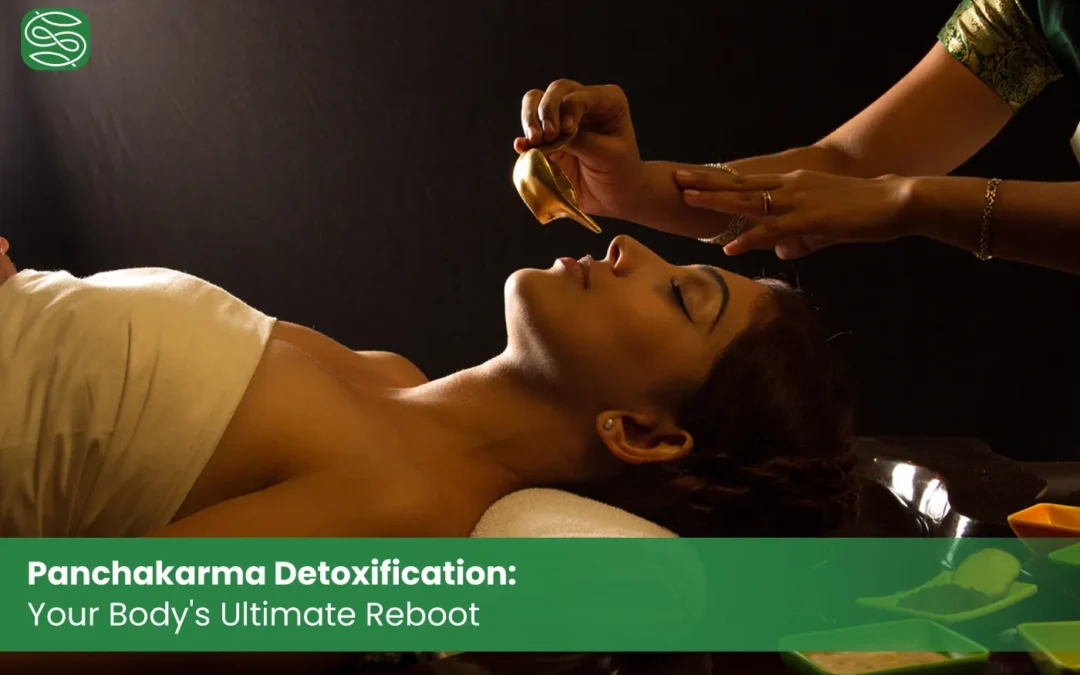
Introduction:
Ravi was a high-performing executive, running on back-to-back meetings, late-night flights, and endless deadlines. But slowly, his energy waned, his digestion turned erratic, and sleep became shallow and restless. He brushed it off as the cost of ambition — until his body forced him to pause.
Burnout for Ravi wasn’t psychological; it was physical.
Ravi didn’t need a vacation. He needed a reset. At the urging of a friend, he turned to Panchakarma, not as a luxury spa retreat, but as a deeply rooted Ayurvedic cleanse. This wasn’t about escaping chaos; it was about restoring harmony from within.
Through gentle detoxification, precise treatments, and intentional rest, Ravi experienced something far more profound than relaxation; he rediscovered balance. His digestion stabilised. Sleep deepened. Energy returned, not in frantic bursts, but in a steady, sustainable rhythm.
At Shathayu, this process is guided by qualified Ayurvedic doctors who assess your body type and health history before designing your program, so nothing here is one-size-fits-all.
Is your body craving a reset?
Let’s explore how Panchakarma, with its timeless principles, can help high-achievers reclaim clarity, vitality, and calm.
What Is Panchakarma Detoxification?
The word “Panchakarma” comes from Sanskrit’ Pancha’ means five, and Karma means action. Together, they relate to the five primary remedial treatments designed to remove toxins, restore dosha balance ( Vata, Pitta, and Kapha), and revitalize the body’s internal systems.
These five remedial procedures include
- Vamana: Therapeutic purgation to eliminate excess Kapha.
- Virechana: Purgation to cleanse Pitta-related toxins from the intestines.
- Basti: Medicated enemas for Vata-related imbalances.
- Nasya: Nasal therapy to clear accumulated toxins in the head and neck region.
- Raktamokshana: Controlled bloodletting for purification of blood.
These therapies are personalized according to an individual’s body type, imbalances, and current health condition, making Panchakarma detoxification a deeply customized healing journey.
What Are The Three Phases of Panchakarma Detoxification?
Panchakarma Detoxification is not a one-day treatment; it’s a structured program with three distinct yet interconnected phases:
1. Pre Phase( Purva Karma)
It is the medication stage. Before detoxification, the body is conditioned to release deep-seated toxins.
Oleation ( Snehana) is the process of internally and externally medicated oils to loosen poisons bedded in the napkins.
-
- Fomentation (Swedana): Therapeutic sweating to mobilize toxins toward the digestive tract for elimination.
- Diet & Lifestyle Adjustment: Individuals follow a lighter diet and personalized daily routine to support detox readiness.
This phase ensures that the body is receptive and responsive when the detox procedures begin.
In the days leading up to your program, you’ll also be guided to eat lighter, home-style meals and cut back on caffeine, alcohol, and processed food this helps your body respond better once the main treatments begin.
2. Main Phase (Pradhan Karma)
The core cleansing phase involves one or more of the five treatments being carried out under expert supervision. Grounded on the assessment, the applicable treatments are chosen to flush out toxins using the body’s natural elimination pathways.
This phase needs rest, a calm internal state, and a supportive environment. The procedures use natural medicines, oils, and treatments specified in Ayurvedic texts, personalized to each individual’s constitution.
3. Post Phase ( Paschat Karma)
After detoxification, the body is in a sensitive and open state. This recovery phase is just as important as the detox itself.
Diet Progression: It begins with light, easy-to-digest foods like rice and moong dal (kichari), gradually progressing to semi-solid and then regular meals over the following days. Caffeine, alcohol, and heavy or processed foods are reintroduced slowly, if at all, to protect the digestive strength you’ve just rebuilt.
Lifestyle Guidance: Specific practices, such as yoga, contemplation or meditation, and herbal supplements help maintain these benefits.
Emotional Calmness: The mind is frequently clearer, and this phase allows for reflection and stabilization.
Mental fog and emotional heaviness are common with modern stress. Panchakarma clears these blockages, sharpening focus and emotional balance. A study in The Scientific World Journal found improved mood and emotional wellbeing months after treatment.
What is A Typical Day at Shathayu During Panchakarma?
While your exact schedule is personalized, most days follow a similar rhythm:
● Morning consultation or check-in with your doctor
● Main treatment session
● Light, therapeutic meals timed around your treatments
● Rest, gentle yoga, or quiet time in between
● Evening wind-down with minimal screen time or stimulation
This isn’t a rigid boot camp; it’s built around giving your body the rest and consistency it needs to actually absorb the benefits of each treatment.
What are the Benefits of Panchakarma Detoxification?
● Supports Preventive Health
Regular treatments can help reduce the buildup of toxins, which is often the root cause of many chronic conditions. As recommended in ayurveda, seasonal detoxification helps maintain internal balance and supports long-term heartiness.
● Strengthens Metabolism
Restoring the digestive fire(Agni) is one of the central treatments of Panchakarma. A strong Agni improves digestion, immersion, and elimination, forming the foundation for better health. Ayurvedic tradition has consistently linked a strong Agni with better digestion, more stable energy, and fewer seasonal illnesses which is part of why Panchakarma has stayed relevant for thousands of years.
● Improves Mental Clarity
Mental fog and emotional heaviness are common issues of ultramodern stress. It clears these blockages, perfecting focus, memory, and emotional adaptability.
● Boosts immunity
The system functions more effectively when the body is free of toxins, and the doshas are in balance. It strengthens the body’s ability to fend off seasonal illnesses and chronic inflammation.
The system functions more effectively when the body is free of toxins, and the doshas are in balance. It strengthens the body’s ability to fend off seasonal illnesses and chronic inflammation. A review of Panchakarma research across multiple studies has found links between Panchakarma therapies and improved immune markers, along with reduced oxidative stress in the body.
● Promotes Reproductive Health
To improve fertility, Ayurveda highlights detoxification’s great value. It prepares the body to accept an embryo and promotes good pregnancies by cleaning physical and energetic passageways.
● Helps to rejuvenate
Panchakarma Detoxification nourishes as well as cleans. Basti and Abhyanga nourish tissues (dhatus), improve vitality (ojas), and help slow aging.
● Assists with the management of chronic diseases.
Commonly arising deep-rooted imbalances are the causes of ailments including arthritis, asthma, psoriasis, acidity, and headaches. Panchakarma detoxification provides a root-level therapy for such ailments and helps to restore systemic equilibrium.
According to a study in the Journal of Ayurveda and Naturopathy, Panchakarma reduced inflammation markers in the body by up to 35% in patients with chronic conditions.
● Enhances sensory and emotional well-being
Specific therapies, including Nasya (for the nasal tract), Gandusha (for oral cleaning), and Tarpana (for vision), are designed to cleanse and enhance the senses, sharpening perception and calming the mind.
Who Should Be Cautious About Panchakarma Detoxification?
Panchakarma is generally safe and suitable for most healthy adults, but it isn’t the right fit for everyone at every time. It’s best to check with your doctor first if you are:
● Pregnant or breastfeeding
● Recovering from a recent surgery
● Dealing with a current infection or fever
● Managing a serious heart condition
● On medication that requires close monitoring
At Shathayu, every guest goes through a health check and consultation before the program begins, so the treatments chosen are appropriate and safe for their condition.
How Long Does a Panchakarma Program Take?
The right duration depends on your goals, health condition, and how much time you can set aside:
1. 7 days: A shorter reset, ideal for stress relief, better sleep, and a general sense of lightness if this is your first time or you have limited time.
2. 14–21 days: The traditional and most recommended duration, allowing the body enough time for proper preparation, the main detox treatments, and safe recovery. This is the standard length for addressing long-standing issues like joint pain, digestion problems, or chronic stress.
3. 28 days or more: Recommended for deeper, long-term health concerns, under continuous medical guidance.
Your Ayurvedic doctor at Shathayu will recommend the right duration for you after your initial consultation.
The significance of Panchakarma Detoxification Now
Though rooted in ancient wisdom, Panchakarma detoxification feels more relevant than ever in today’s fast-paced world. With extended hours in front of screens, irregular sleep, processed foods, and constant stress becoming the norm, our bodies silently bear the burden. While modern medicine excels at treating acute issues, it offers a deeper, preventive approach focusing on long-term balance and rejuvenation.
Pairing this detox process with an Ayurvedic rejuvenation massage can further support the body’s recovery. It helps calm the nervous system while restoring energy from within.
Unlike quick fixes that mask symptoms, panchakarma detoxification addresses the root causes. It restores health naturally, without chemical intervention, allowing the body to heal, reset, and thrive.
For professionals living and working in and around Bangalore, Shathayu also offers something practical: a serious Ayurvedic detox without a long-haul trip. Just outside the city in Devanahalli, it’s close enough for a focused break of a few days to a few weeks, without the travel fatigue of a retreat in Kerala or further away.
Conclusion:
Panchakarma Detoxification at Shathayu Retreat is more than a treatment; it’s a customized path toward balance, clarity, and rejuvenation. Based on fundamental Ayurvedic ideas, our programs, guided by experts who know your particular constitution, combine deep detox with mild revitalization. Whether you want to replenish energy, sharpen focus, or reconnect with your inner well-being, Panchakarma at Shathayu supports you in calming, therapeutic surroundings to realign with your body’s rhythm.
Curious what this actually feels like? Read one guest’s first-hand experience of their Panchakarma journey at Shathayu.
At Shathayu Retreat, you can begin your metamorphosis with the help of Ayurveda care.
Ready to start your journey to renewal?
Contact Shathayu Retreat today and let Ayurveda guide you back to balance.
FAQs:
1. What should guests pack for a Panchakarma Detoxification program?
Comfortable, loose-fitting clothes, minimal makeup or skincare products, and any personal medication the guest is currently on. Oils and therapeutic products used during treatment are provided by the retreat.
2. Can guests keep working or stay reachable on email/calls during the program?
It depends on the program length and the treatments scheduled each day. Shorter programs allow more flexibility, but the traditional 14–21-day Panchakarma Detoxification format is built around rest, so guests are encouraged to stay minimally connected during active treatment days.
3. Will guests need to take leave from work for a Panchakarma Detoxification program?
For a 7-day program, a long weekend plus a couple of extra days is usually enough. The 14–21-day option needs a proper block of time off, since it includes preparation, main treatment, and recovery phases.
4. Do guests need to stop any medication before starting?
This is reviewed individually during the consultation. Guests are asked to bring a list of current medications so the doctor can plan the Panchakarma Detoxification program around them.
5. Can guests exercise or do yoga during the program?
Intense workouts are usually paused during the main treatment phase, since several therapies require the body to be at rest. Lighter activity like walking or gentle yoga may be included depending on the specific program.
6. Is Panchakarma Detoxification suitable for senior citizens?
Age by itself isn't a limiting factor. The program is adjusted based on the guest's current health status, which is assessed during the pre-program consultation.
7. Do guests need a doctor's referral to join a Panchakarma Detoxification program?
No referral is required. Guests can book directly and consult with Shathayu's Ayurvedic doctors, who assess their health before finalising the program.
8. Can guests choose specific treatments, or is the full Panchakarma Detoxification program mandatory?
Programs are built around a core structure, but the specific therapies included depend on what the doctor recommends after assessing the guest's health and goals.
9. Is accommodation included, and can family members stay too?
Accommodation is part of the retreat package. If a guest would like a family member to stay with them, it's best to check directly with Shathayu, since this affects room type and package pricing.
10. What happens if a guest needs to extend or cut short their program?
This can usually be discussed with the retreat team once the guest is there, depending on availability and the doctor's recommendation. It's best to flag any schedule constraints upfront when booking.
About the Author
Dr. Manal V.M.
Chief Medical Officer (CMO) | Senior Ayurvedic Physician | MD – Panchakarma Specialist
Dr. Manal V.M. is the Chief Medical Officer (CMO) at Shathayu Ayurveda Retreat and an experienced Ayurvedic Physician with an MD in Panchakarma and over 7 years of clinical experience. She is dedicated to helping patients achieve long-term health through authentic Ayurveda, personalized treatment plans, and evidence-based Panchakarma therapies.
She specializes in treating obesity, diabetes, metabolic disorders, arthritis, back and neck pain, psoriasis, digestive disorders, respiratory conditions, and lifestyle diseases using a holistic approach that combines Ayurvedic medicines, Panchakarma detox therapies, nutrition, and lifestyle modification.
Dr. Manal believes in identifying the root cause of disease rather than simply managing symptoms. She works closely with every patient to create customized treatment plans that promote sustainable healing, improve quality of life, and prevent future illness.
Along with her clinical expertise, she is actively involved in Ayurvedic research and has published scientific articles in reputed international journals.