
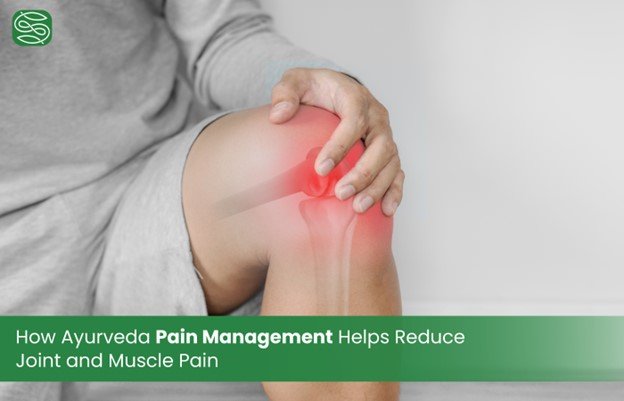
Joint pain has quietly become a household normal from young professionals with stiff necks to elders struggling to climb stairs. A quick painkiller often feels like the easiest escape, but masking pain is not the same as healing the joint. Over time, this pop-a-pill habit weakens digestion, affects gut health, and still leaves the root cause untouched. Ayurveda focuses on lubricating the joints, reducing inflammation naturally, improving circulation, and rebuilding strength, offering a safe, long-term, and side-effect-free path to pain-free movement.
Ayurveda Pain Management is a natural remedy for eliminating joint pain, back pain, knee pain, neck pain, and muscle stiffness by treating the root cause of the problem. The treatment starts with the identification of the cause of pain and then focuses on the digestive process, using herbal medicines, therapeutic oil treatments, detoxification procedures, and lifestyle modifications to support long-term relief and recovery.
Ayurveda Pain Management comprises:
● Pain identification
● Improving digestion to alleviate pain
● Herbal medicines for joint and muscle relief
● Oil treatments for stiffness and swelling
Introduction
Pain can start gradually, like knee pain when walking upstairs, back pain after sitting for a long time, or stiffness in the morning. These symptoms are often ignored.
When the pain becomes more regular, movement becomes difficult, sleep gets disrupted, and even simple activities become challenging. Ayurveda Pain Management looks beyond the area of the pain and looks for the root cause. It corrects the imbalance and provides long-term relief and ease of movement.
What Is Ayurveda Pain Management?
Ayurvedic pain management provides exceptional healing, restoring the body’s balance to relieve pain. Due to irregular eating patterns, chronic stress, insufficient exercise, and inadequate sleep, the body develops various health issues. A state of persistent inflammation remains in the body under these patterns, causing a state of discomfort and pain. But when the cause is identified, appropriate treatment methods can be chosen.
How Does Ayurveda Pain Management Begin?
The treatment process starts with a medical assessment.
Symptom Analysis
The ayurvedic specialist analyzes the areas where the pain is felt, its duration, and the factors that increase or decrease the pain. Swelling, dryness, redness, and stiffness are analyzed carefully.
Body Pattern Analysis
Every individual has a body type. Analyzing the body pattern helps in choosing the right treatment and herbs.
Food and Lifestyle Analysis
Meal times, food habits, work patterns, sleep, and stress levels are analyzed. Most cases of chronic pain are associated with lifestyle patterns. A clear start ensures proper lifestyle modifications.
Digestion Correction
The development of multiple pain conditions results from impaired digestion in patients with this condition. The body benefits from improved digestive function, enabling it to process nutrients and eliminate waste products. The process supports recovery while enhancing the effectiveness of herbal medicine.
Herbal Support
Herbal medicines are prescribed according to body type and condition. The active ingredients in these medicines protect joint health while reducing swelling and improving blood flow throughout the body.
External Therapies
Oil therapies and steam treatments help reduce stiffness and improve mobility. These therapies support local circulation and joint nourishment.
How Digestion Influences Joint Pain?
Most people do not associate digestion with joint pain. In Ayurveda, digestion is recognized as a critical beginning. If food is not properly digested, it can lead to the accumulation of waste in the body. Over time, this waste accumulates in joints and muscles, leading to stiffness and swelling. Improving digestion helps reduce this accumulation and promotes an effective treatment response.
Warm and Fresh Food
Freshly prepared food is more easily digested than stored or reheated food. Warm food promotes blood circulation and prevents body heaviness. Regular meals also help maintain digestive harmony.
Avoid Cold and Packaged Food
Cold beverages, chilled food, and packaged foods can affect digestion in most people. Improper or slow digestion can cause stiffness and swelling to accumulate over time.
Use of Simple Spices
Turmeric, ginger, and cumin spices promote natural digestion. Regular use of these spices in food preparation may help decrease inflammation. Correcting digestion helps support and strengthen all other aspects of Ayurveda Pain Management.
How Do Oil Therapies Help in Ayurveda Pain Management?
Oil therapies play a vital role in Ayurvedic pain management because many pain conditions involve dryness and stiffness. The use of warm herbal oils helps increase blood circulation and joint lubrication. The therapy is useful on a regular basis to increase flexibility and relieve pain. Below are some of the oil therapies for pain management.
Abhyanga
Abhyanga is a full-body Ayurvedic massage that demands the use of warmed medical oils to help individuals relax and revitalize their bodies as they rebalance their dosha. The massage involves smooth, continuous strokes of the body to improve skin quality, boost blood circulation, and aid the body in its natural process of detoxification.
Kati Basti
Kati Basti is a procedure in Ayurvedic medicine for lower back pain, where a herbal dough circle is used to retain warm medicated oil on the lower back region for 20-45 minutes. The process involves the use of warmth to induce muscle relaxation, thereby relieving pain caused by sciatica, spondylosis, and chronic back pain.
Janu Basti
Janu Basti is an Ayurvedic procedure for relieving knee pain, where warm medicated oil is retained over the knee using a herbal dough circle for 30-45 minutes. It is effective in relieving stiffness and pain caused by osteoarthritis and chronic knee pain.
Bashpa Swedana
Bashpa Swedana is an Ayurvedic herbal steam treatment that promotes sweating by using warm steam. This process helps in the removal of toxins and is often done after a massage therapy session. This therapy is conducted in a specially designed steam chamber.
Get more insights on Ayurvedic Chronic Pain managemet
How Do Herbal Medicines Support Pain Relief?
Herbal medicines are recommended based on the type and stage of pain. In Ayurveda Pain Management, herbs support the body from the inside while therapies work externally.
Ashwagandha
Ashwagandha helps build muscle strength while reducing fatigue caused by chronic pain. Shallaki
Shallaki:
This Ayurvedic herb is a popular treatment because it effectively reduces body inflammation and provides pain relief. Shallaki helps improve joint function by reducing stiffness and enhancing movement, which also supports the digestive system.
Guggulu:
Guggulu improves heart function by reducing cholesterol and promoting weight control through metabolic enhancement, reduces joint pain, and makes the skin appear clearer and healthier.
Turmeric
Turmeric helps with digestion, immune function, and skin health. It assists in managing arthritis, supports heart health, regulates blood sugar levels, and helps with weight management. Herbal medicines are prescribed after proper evaluation.
Clinical observations supported by research published in SAGE Journals have discussed the Ayurvedic Management of Chronic Low Back Pain: A Case Report
When Is Detox Needed in Ayurveda Pain Management?
People who experience chronic pain for over three months must undergo an Ayurvedic assessment to identify underlying toxic accumulations inside the body. The detox process removes toxins that have built up in the body, enabling better treatment outcomes.
Panchakarma: The structured cleansing therapies of Panchakarma, such as Vamana, Basti, Virechana, and Nasya, enable practitioners to eliminate deep-seated toxins while achieving a state of internal equilibrium.
Steam and Oil Combination: The combination of steam and oil treatment begins with oil application, which opens body channels to enhance movement.
The detox process requires professional assessment
How Do Daily Habits Affect Long-Term Relief?
Proper routine activities, along with proper medical treatments, determine the recovery from pain.
Gentle Movement
Light stretching or simple yoga helps people maintain flexibility while reducing muscle tightness.
Regular Sleep
Sleeping at fixed times supports healing and reduces inflammation.
Stress Control
Breathing exercises help reduce stress-related pain.
Oil massage
Applying warm oil before bathing helps keep joints well-lubricated. The treatment results in these habits to get long-term benefits.
How Does Shathayu Retreat Support Ayurveda Pain Management?
Shathayu Retreat follows traditional, authentic Ayurvedic principles and provides personalized care. Each patient receives individual evaluation and structured treatment.
At Shathayu Clinic, Ayurveda Pain Management includes:
● Detailed consultation
● Customized herbal prescriptions
● Supervised oil therapies
● Diet and routine guidance
● Follow-up and monitoring
The aim is steady improvement in comfort, flexibility, and overall quality of life.
Conclusion
Ayurveda Pain Management uses its traditional holistic approach to treat joint and back pain, as well as all types of inflammation. The system works to restore balance through its three main functions of supporting digestion, reducing toxin buildup, and strengthening the body’s movement system. Sustainable results require both ongoing treatment and accurate treatment direction. The Shathayu Retreat provides patients with systematic support throughout their recovery process, enabling them to achieve greater physical comfort, improved movement, and better health outcomes.
Contact us today for the best Ayurvedic treatment for pain management.
FAQs:
1. What is the definition of Ayurveda Pain Management?
The natural method of Ayurveda Pain Management eliminates joint and muscle pain through four fundamental processes: improving digestion and eliminating toxins, applying herbal remedies, and establishing better daily habits. The goal is to achieve permanent relief, thereby enhancing your ability to move.
2. Can arthritis patients benefit from Ayurvedic Pain Management treatment?
Ayurveda Pain Management is a standard treatment for patients with osteoarthritis and associated inflammatory joint disorders. The treatment process aims to achieve three objectives: reducing swelling, improving joint mobility, and strengthening the muscles that support the joint
3. How much time do people require to complete Ayurveda Pain Management treatment?
The duration of treatment requires two factors to be considered: the total time the pain has existed and the patient's adherence to their treatment schedule. Patients with mild pain experience improvement within weeks, but patients with chronic conditions need extended, structured treatment.
4. Is Ayurveda Pain Management safe?
Ayurveda Pain Management is safe when conducted by qualified doctors. Herbal medicines and treatments are provided as per the assessment.
5. Does diet really matter in pain management?
Yes. Warm, fresh food supports digestion and helps prevent inflammation. Avoiding cold and processed foods will help increase joint mobility.