
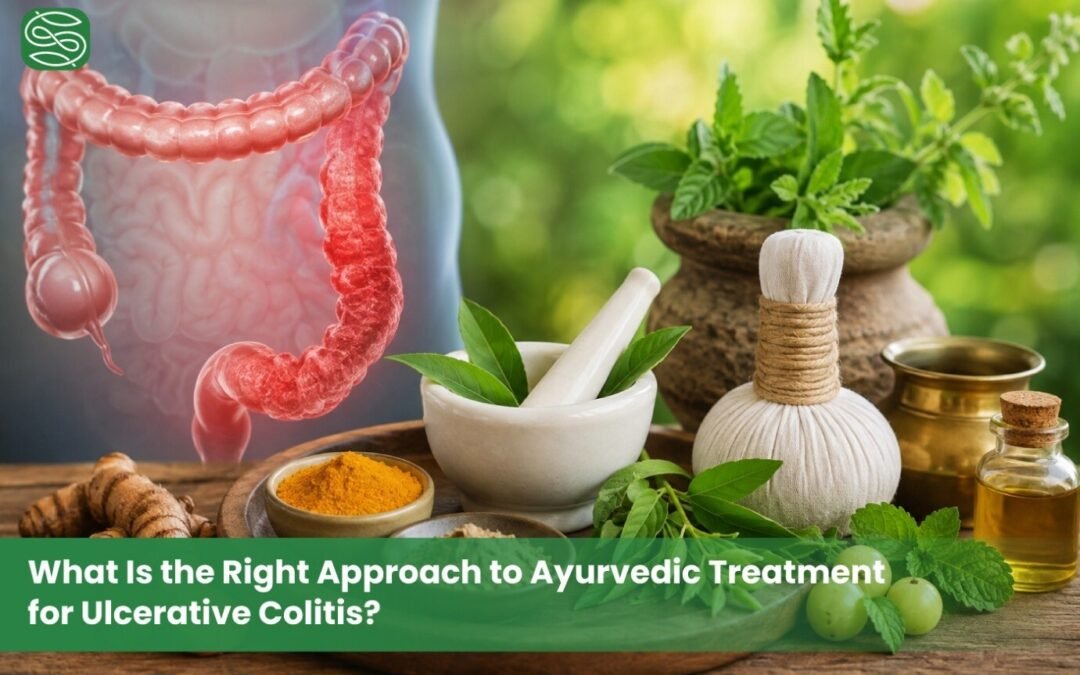
What Is the Right Approach to Ayurvedic Treatment for Ulcerative Colitis?
Ulcerative colitis is a chronic condition that causes inflammation and ulcers in the colon lining, leading to diarrhea, abdominal pain, and rectal bleeding. Ayurvedic treatment for ulcerative colitis works by calming digestive fire, correcting dosha imbalance, and reducing inflammation through personalized diet, herbs, and doctor-guided therapies. It supports long-term gut healing but should always be combined with proper diagnosis and gastroenterology care.
Treatment Essentials:
1. Treatment depends on the severity and stage of the condition.
2. The plan is adjusted based on symptoms and digestion.
3. Severe flare-ups need proper medical supervision.
4. Ayurvedic treatment should be guided by a qualified practitioner.
At first, the changes may seem manageable. A person starts avoiding certain foods, planning outings around restroom access, or cutting short a workday because of sudden urgency. But when abdominal pain, frequent bowel movements, fatigue, and bleeding keep returning, those small adjustments begin to take over everyday life.
That is often when the search for a more complete treatment approach begins. Ayurvedic treatment for ulcerative colitis looks beyond the immediate symptoms and considers digestion, dosha imbalance, diet, lifestyle, and the individual pattern of the condition while planning care.
What Actually Causes Ulcerative Colitis?
Ulcerative colitis is a chronic condition in which the immune system becomes overactive and causes inflammation and ulcers in the lining of the colon and rectum. Its development is linked to a combination of immune, genetic, and environmental factors.
1. Excess reactivity of the immune system can lead to attacks on the digestive tract.
2. A person has a genetics or history of inflammatory bowel diseases.
3. High levels of stress affecting the digestive process and increasing the number of flare-ups.
4. Bad dietary habits such as eating highly processed foods and spices.
Symptoms can range from mild to severe, with changes in bowel frequency, rectal bleeding, abdominal discomfort, and fatigue often reflecting how active the condition is.
How Do You Know If It’s Ulcerative Colitis or Something Else?
The disorders have similar symptoms, making self-diagnosis difficult. It is important to know the features that help differentiate one from another.
- Irritable Bowel Syndrome (IBS) results in cramps and irregular bowel activity but does not entail any blood and ulcers.
- Ulcerative colitis usually leads to prolonged diarrhea with blood and/or mucus, plus urgency and pain.
- Crohn’s disease is a condition that affects all parts of the gastrointestinal tract rather than just the colon and leads to deeper tissue damage.
- Similar diarrhea and cramping may be caused by infections; however, it goes away much faster than colitis.
Persistent diarrhea, blood or mucus in the stool, unexplained weight loss, anemia, or recurrent abdominal pain should be medically evaluated. Depending on the symptoms and clinical findings, a gastroenterologist may recommend investigations such as blood tests, stool tests and colonoscopy.
How Does Ayurveda Understand Ulcerative Colitis?
In Ayurvedic literature, symptoms resembling those seen in ulcerative colitis may be considered in the context of conditions such as Raktatisara and other disorders involving Pitta and Vata. Excess Pitta causes inflammation of the mucous membrane, while the involvement of Vata causes disturbances in the bowel habits.
Ayurvedic diagnosis includes more than blood tests. The physician will assess your body constitution and digestive strength (Agni). Your stress patterns and dietary history are also considered to understand the condition better. Two individuals who show similar findings on colonoscopy usually require different modes of treatment based on their constitutional make-up.
What Does an Actual Treatment Plan Involve?
Ayurvedic treatment for ulcerative colitis starts with an elaborate consultation where the doctor goes through your reports and prescribes a treatment that is suitable for your constitution. After this point, the process usually involves going through several stages.
Treatment is usually planned in stages. The first stage focuses on calming active symptoms and supporting digestion through prescribed medicines and dietary changes. Once the flare is under control, the doctor may introduce selected Panchakarma therapies based on the patient’s condition. The final stage focuses on rebuilding strength and supporting recovery. The duration and sequence of each stage are decided individually, as the same treatment plan is not suitable for every patient, especially during a severe flare.
Does Stress Actually Trigger Ulcerative colitis?
Yes, stress is certainly one of the most consistent flare-up triggers that are associated with ulcerative colitis patients, and Ayurveda considers the body and mind highly interrelated. The chronic condition increases the level of Pitta and disrupts the balance of Vata that can influence bowel movements and the degree of inflammation.
That is why Ayurvedic treatment for ulcerative colitis rarely relies solely on dietary and medication therapy. Usually, doctors consider sleep, stress relief, and emotional states when developing a treatment approach, as neglecting this aspect often reduces its effectiveness in the long run.
Can Ayurveda Be Used Alongside Conventional Treatment?
Ulcerative colitis is a chronic inflammatory bowel disease that may require ongoing medical management. Depending on disease severity, gastroenterologists may use medicines such as aminosalicylates, corticosteroids for selected situations, immunomodulators, biologic therapies or other targeted treatments. Surgery may be considered when serious complications occur or when disease cannot be adequately controlled with medical treatment.
Ayurvedic treatments can simultaneous act as complementary approach focusing on diet, lifestyle, stress management, digestive wellbeing and healing therapies. It should not be used to stop, reduce or replace prescribed ulcerative colitis medication without guidance from the treating gastroenterologist.
According to a study published in BMC Gastroenterology on Springer Nature, 61.8% of 220 patients with ulcerative colitis experienced fatigue. The rate increased to 68.2% among patients with active disease, while 40% of those in remission also reported fatigue.
What Dietary Patterns Genuinely Support Recovery?
The diet is more important for patients with ulcerative colitis than for any other disease because the inflammation is present right in the digestive tract.
These general guidelines from Ayurveda can help heal the gut, but your doctor will provide specific advice based on your flare-up.
1. Choose warm, fresh, easy-to-digest food rather than cold and raw food.
2. Cut down on foods like spices, fried foods, and processed foods that irritate the lining of the intestines.
3. Drink plenty of fluids, as the loss of fluids during flare-ups slows the healing process.
4. Do not consume caffeine and carbonated beverages, as they stimulate Pitta and make symptoms worse.
5. It is important that you eat at regular intervals and do not skip meals or eat too much at once.
Why Consider Shathayu Retreat for Ayurvedic Treatment for Ulcerative Colitis?
Shathayu Retreat, located near Bangalore, brings nearly a century of Ayurvedic experience to the management of conditions such as ulcerative colitis, with doctor-guided care and treatment plans tailored to each individual. The initial consultation and Prakriti test are an integral part of this process; thus, all subsequent therapies are tailored to the real health situation of a person rather than a pre-prepared package.
The retreat setting also supports the overall healing process. Since stress can influence ulcerative colitis symptoms, a calm and structured environment helps patients focus on rest, recovery, and digestive health.
When Does Ulcerative Colitis Require Urgent Medical Attention?
• heavy or persistent rectal bleeding
• severe abdominal pain with high fever
• severe dehydration
• rapid heart rate/dizziness
• abdominal swelling/distension
• inability to keep fluids down
• rapidly worsening symptoms
Severe ulcerative colitis can sometimes require hospitalization and urgent medical treatment.
Making a Decision That Actually Works for You
Managing ulcerative colitis involves more than addressing digestive symptoms. A calm, structured retreat setting can support rest, stress management, and overall recovery alongside doctor-guided Ayurvedic care.
At Shathayu Retreat, treatment plans are tailored to each individual’s condition and needs.
Speak with our doctors to explore a personalized Ayurvedic treatment plan for ulcerative colitis.
FAQs for Ulcerative Colitis
1. Is Ayurvedic treatment for ulcerative colitis a permanent cure?
Ayurveda focuses on long-term management and reducing flare-ups rather than promising a permanent cure. Every case responds differently, so it's best discussed directly with a doctor who understands your specific condition and history.
2. How is Ayurvedic treatment for ulcerative colitis different from regular medical treatment?
Ayurvedic treatment for ulcerative colitis focuses on correcting the root imbalance through diet, herbs, and lifestyle changes, while conventional treatment often targets symptom control. Many patients explore both approaches together under proper guidance.
3. Does Ayurvedic treatment for ulcerative colitis involve any side effects?
Ayurvedic therapies are generally considered gentle, but individual reactions can vary. It's always best to consult a qualified doctor before starting treatment so they can guide you based on your specific health condition.
4. What can I expect during my first consultation for Ayurvedic treatment for ulcerative colitis?
The first visit usually involves discussing your symptoms, medical history, and lifestyle in detail. The doctor uses this to understand your body constitution before recommending any therapy or treatment.
5. How is ulcerative colitis treatment planned at Shathayu Retreat?
At Shathayu Retreat, treatment is planned individually according to the stage of the condition, symptoms, digestive health, and overall strength. Therapies, medicines, diet, and daily routines are selected accordingly.
6. Can diet alone manage ulcerative colitis without other Ayurvedic therapies?
Diet plays a significant role, but it usually works best alongside other Ayurvedic therapies rather than on its own. A doctor can help you understand what combination suits your condition.
7. How often do I need to visit the clinic during Ayurvedic treatment for ulcerative colitis?
Visit frequency depends on your treatment plan and whether you're in an active flare or maintenance phase. Some patients need closer follow-ups initially, which typically reduce as symptoms stabilize.
8. What should I bring for treatment at Shathayu Retreat?
Bring recent medical reports, colonoscopy or scan reports if available, details of current medications, and any previous treatment records. These help the doctor understand your condition before planning care.
9. What should I bring to my first appointment for Ayurvedic treatment for ulcerative colitis?
Carrying previous medical reports, a colonoscopy report if available, and a list of current medications helps the doctor get a clearer picture and build a more accurate treatment plan.
10. Does Ayurvedic treatment for ulcerative colitis need to continue indefinitely?
Treatment duration depends on individual response and severity. Some people need ongoing maintenance care, while others taper down over time. This is something your doctor can guide you through.
About the Author

Dr. Manal V.M.
Chief Medical Officer (CMO) | Senior Ayurvedic Physician | MD – Panchakarma Specialist
Dr. Manal V.M. is the Chief Medical Officer (CMO) at Shathayu Ayurveda Retreat and an experienced Ayurvedic Physician with an MD in Panchakarma and over 7 years of clinical experience. She is dedicated to helping patients achieve long-term health through authentic Ayurveda, personalized treatment plans, and evidence-based Panchakarma therapies.
She specializes in treating obesity, diabetes, metabolic disorders, arthritis, back and neck pain, psoriasis, digestive disorders, respiratory conditions, and lifestyle diseases using a holistic approach that combines Ayurvedic medicines, Panchakarma detox therapies, nutrition, and lifestyle modification.
Dr. Manal believes in identifying the root cause of disease rather than simply managing symptoms. She works closely with every patient to create customized treatment plans that promote sustainable healing, improve quality of life, and prevent future illness.
Along with her clinical expertise, she is actively involved in Ayurvedic research and has published scientific articles in reputed international journals.