Author: Dr. Anitha Bhat, BAMS, 26 years of clinical experience, Senior Physician, Shathayu Ayurveda Retreat
Category: Ayurveda Weight Loss Retreat
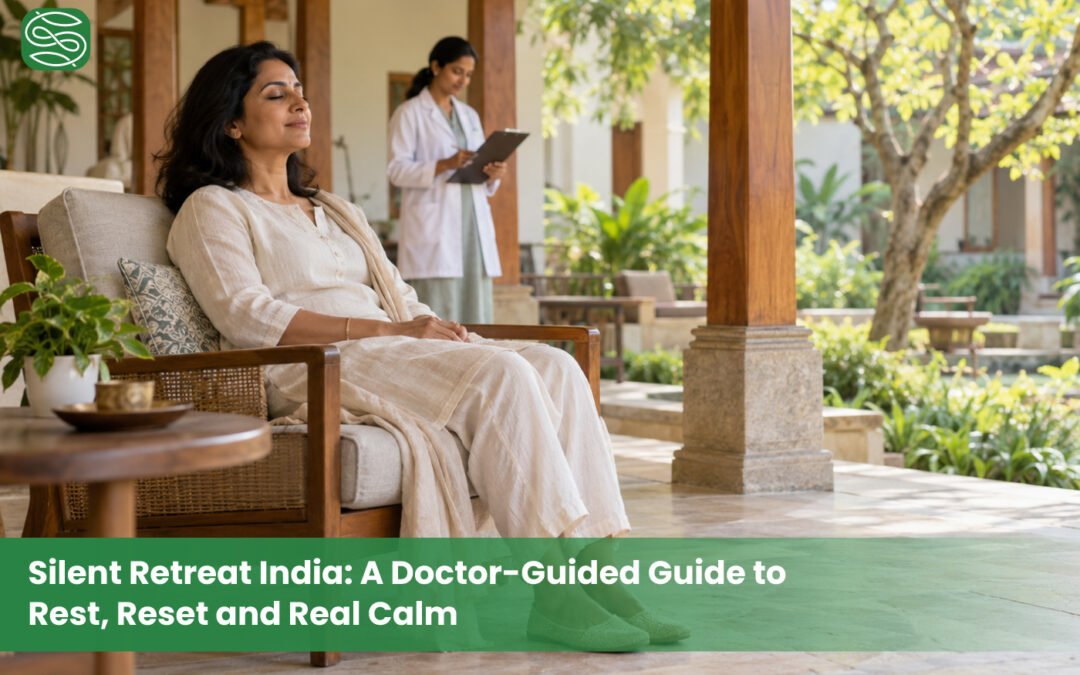
A silent retreat in India is a residential stay where you speak little or not at all and spend your days in meditation, breathing practice, gentle movement, and rest. Formats range from strict ten-day meditation courses to physician-guided Ayurvedic stays.
Silent Retreat India at a Glance
1. Suits people who feel mentally overloaded, sleep poorly, or want a structured break from screens.
2. Differs by length, strictness of silence, cost, and the level of medical support.
3. Works for most healthy adults, while some conditions call for medical advice first.
4. Gives the best results when you choose a stay that matches your goal, so ask about the daily schedule, food, and who guides the program before you book.
What Is a Silent Retreat in India?
The Core Idea:
A silent retreat is a planned pause from speech, phones, and routine so the mind can settle. Guests follow a fixed timetable of meditation, gentle movement, simple meals, and rest, and they keep conversation to a minimum. The silence is not a punishment or a test of endurance. It is a way of removing the small social demands that fill an ordinary day, such as replying, explaining, deciding, and performing, so that attention has room to rest.
Most retreats also remove other inputs, including phones, news, reading, and writing, so that the quiet is complete. India offers a wide range of choices because yoga, meditation, and Ayurveda all developed here. You can find strict ten-day courses, ashram programs with a spiritual focus, wellness resorts that include a few silent days, and physician-guided Ayurvedic stays where the silence is adjusted to your health.
Why Does Silence Help?
Constant talking, notifications, and decisions keep the nervous system alert. Even small interruptions pull attention away from the task at hand and leave many people feeling tired without knowing why. When these demands stop, most guests notice the mind slowing down within the first few days. Thoughts that were crowded out by activity begin to surface, and a regular sitting practice gives them somewhere to go.
Silence also changes how people relate to food, sleep, and their own bodies. Without conversation or screens to distract them, guests tend to eat more slowly, notice hunger and fullness, and settle into an earlier sleep rhythm. Meditation is generally considered low risk and helps many people manage stress, and a structured retreat offers a protected setting where that habit is easier to start than at home.
What Ayurvedic Principles Guide a Silent Retreat?
Ayurveda treats the mind and body as one system. The concepts below explain how a physician plans a quiet stay around your needs.
The practice begins with Mauna, the discipline of silence that lets the mind rest, and Dhyana, the daily meditation that builds focus. Pranayama, or breath regulation, calms the breath and is best learned with a teacher. Dinacharya, the ideal daily routine, fixes waking, meals, practice and sleep at regular times so the body settles.
The physician then shapes this routine around your Prakriti, your individual constitution. Silence and light food aim to raise Sattva (clarity) and ease Rajas (restlessness) and Tamas (dullness), the three qualities of the mind. Fresh, easily digested Sattvic Ahara keeps the body comfortable during long periods of stillness, and warm meals with a steady routine help keep Vata, the air-like energy linked to movement and restlessness, settled.
Because Prakriti differs, two guests at the same retreat may follow slightly different routines. A physician-led assessment makes that adjustment possible.
What Are the Main Types of Silent Retreat in India?
Silent retreat India options fall into four broad formats. The table compares them.
| Format | Typical Length | Cost Model | Silence Level | Best For |
| Meditation technique course | Around 10 days | Often donation-based | Strict | Committed beginners and experienced meditators |
| Breathing and meditation program | Around 6 to 7 days | Fixed fee set by the center | Moderate, often partial | Beginners who want a group course |
| Ayurvedic physician-guided retreat | Set after consultation | Priced by program and stay | Adjustable | Stress, poor sleep, or health concerns that need medical oversight |
| Yoga or wellness resort with silent days | Weekend to a week | Package pricing | Light | First-timers testing the idea |
1. Meditation-Technique Courses: These courses follow a strict code of silence with no phones, reading or writing, and long hours of sitting. They suit people who want a rigorous experience and are ready for a demanding timetable. Some first-time participants find the schedule physically and mentally demanding, so experience with daily meditation helps a great deal.
2. Ashram Programs: Ashram programs usually run for about a week and teach breathing and meditation techniques in a group. They offer structure, shared facilities, and a community atmosphere, and silence rules differ from one program to another. They suit beginners who want guidance from a teacher without committing to a full ten days.
3. Ayurvedic Retreats: An Ayurvedic retreat places a physician at the center of the experience. The doctor assesses your Prakriti, sleep, digestion, and stress pattern, then shapes a quiet routine around your needs. Meals, rest, and practice are all adjusted to you rather than to a fixed group timetable. This model suits guests who want rest with medical oversight, including people managing stress or poor sleep.
Guests who want a deeper reset can pair the quiet days with our Ayurvedic detox retreat built around Panchakarma, which adds supervised therapies and a therapeutic diet. Our physicians assess each guest first and adjust the plan as the stay progresses.
4. Wellness Resorts: Some yoga and wellness resorts add one or two silent days to a regular stay. They work well when you want to test how silence feels before committing to a longer program. The comfort level is usually higher, though the depth of practice is lighter than in a dedicated retreat.
How Much Silence and How Many Days Suit You?
Programs use different rules and different lengths, so ask what applies before you book. Both choices should match your health, schedule, and comfort with quiet.
Choosing Your Level of Silence
1. Full silence (Mouna): It means no speech, eye contact, or gestures, and phones are surrendered. Guests spend long hours alone with their thoughts, which can be deeply restful for experienced meditators and unsettling for newcomers. It suits people who already sit for meditation regularly.
2. Guided silence: This keeps guests quiet with each other but allows scheduled talks, questions to a teacher, or short check-ins with a physician. This gives you support when something feels difficult, so it suits most first-timers.
3. Digital silence: It allows conversation at set times but removes phones, news, and social media. It is a gentle option for beginners and busy professionals whose main need is a break from screens and constant contact.
Choosing Your Length of Stay
1. A weekend of two to three days gives time to settle into the routine, sleep well, and see whether a quiet environment suits you. It is a good first step and fits easily around work.
2. About one week allows deeper rest, a steadier daily rhythm, and time to learn breathing and meditation techniques with guidance. Most guests find this length gives a noticeable change without feeling overwhelming.
3. Ten days or more offers long, structured practice with strict rules, and it demands both stamina and experience. Keep it for people who have already completed shorter stays. Individual experiences vary, so choose a length you can complete comfortably, and remember that a shorter stay done well is better than a long one that leaves you drained.
What Does a Typical Day at a Silent Retreat Look Like?
The timetable below is an illustrative Ayurvedic-style day at a silent retreat in India. Each center sets its own schedule.
|
Time of Day |
Activity |
Why It Is There |
|
Early morning |
Waking, light movement, and pranayama |
Steadies the breath after sleep |
|
Morning |
Guided meditation (Dhyana) and a simple breakfast |
Builds focus when the mind is fresh |
|
Midday |
Main sattvic meal followed by rest |
Digestion is strongest at midday in Ayurvedic thinking |
|
Afternoon |
Quiet walk, reflection, and a second meditation |
Releases mental noise |
|
Evening |
Light dinner and silent sitting |
Prepares the mind for rest |
|
Night |
Early bedtime |
Restores energy for the next day |
Rules to Expect
Most programs ask guests to follow a short set of rules so that the quiet is shared by everyone. You can usually expect to avoid talking, hand over phones and other devices, skip reading and writing, and keep to set meal and session times. Some retreats also ask guests to avoid eye contact, remain on the grounds, and refrain from exercise outside the planned sessions.
Many programs allow short check-ins with a teacher or physician, and guests can usually ask for help if they feel unwell or distressed. Rules vary a great deal between centers, so read them carefully before you book, and ask in advance how emergencies and family contact are handled.
What Will You Eat?
Meals usually follow Sattvic Ahara: fresh, warm, lightly spiced vegetarian food that is easy to digest. In Ayurvedic thinking, heavy, oily, or very spicy food makes the body feel sluggish and the mind restless, which makes long periods of sitting harder. Light, regular meals support steady energy and comfortable stillness.
Mealtimes stay fixed so the body settles into a rhythm, and many retreats ask guests to eat in silence and avoid snacking between meals. Caffeine, alcohol, and tobacco are usually not allowed, so reducing them before you arrive makes the first days easier. Share any allergies, dietary needs, or health conditions in advance so that the kitchen can adjust.
What Are the Benefits of a Silent Retreat?
Guests at a silent retreat in India commonly report these benefits:
1. Less mental chatter and a calmer mood, as the constant stream of input slows down.
2. Better sleep quality once the early bedtime and regular routine settle.
3. Clearer focus and decision-making after days without interruptions.
4. A reset from screens and the habit of checking notifications.
5. Greater awareness of food, breath, and body signals, which many guests carry home.
What Does Research Say?
Research on meditation shows mixed but encouraging results for stress and anxiety. The US National Center for Complementary and Integrative Health notes that meditation is usually low risk, yet a review of 83 studies found that about 8 percent of participants had a negative experience, most often anxiety or depression.
The same body reports that a 2020 review of 12 studies found yoga reduced perceived stress in healthy adults. Preparation and guidance therefore matter, and guests managing stress and anxiety benefit from a calm, supervised setting.
Who Is a Silent Retreat For?
A retreat suits people who feel overloaded and want a structured pause. Common groups include:
1. Working professionals facing burnout or constant screen fatigue.
2. Caregivers and parents who need a few days of rest.
3. People with stress-related sleep problems, after medical advice.
4. Meditators who want to deepen an existing practice.
5. Curious beginners who prefer a guided, safe setting.
Staying Safe and Choosing the Right Silent Retreat in India
When to Seek Medical Advice First?
A silent retreat suits most healthy adults, but a few situations call for a conversation with a doctor before you book.
1. Anxiety, depression, or trauma: Long hours of quiet can bring difficult thoughts and feelings to the surface. Speak to a doctor or mental health professional first, and choose a program with trained staff and medical support.
2. Pregnancy: Consult your doctor and choose only gentle programs that do not involve long fasting or strenuous practice.
3. Recent surgery or injury: Get medical clearance, since long sitting can strain the body.
4. Long-term illness or regular medication: Share your full history with the program physician so that the routine and meals can be adjusted.
5. First-time meditators: Start with a shorter, guided stay rather than a long, strict course.
A short conversation with a physician keeps the stay safe, and you can ask the Shathayu Retreat team which format suits your health.
What to Check Before You Book?
Retreats differ widely in quality, so compare them on a few clear points.
1. Medical support: A good retreat has a qualified physician who reviews your history before you arrive. Be cautious if no health questions are asked.
2. Guidance: Look for named, experienced teachers or doctors. Be cautious if nothing says who leads the programme.
3. Rules: Clear written rules on silence, phones and timings are a good sign. Vague rules that change on arrival are a warning sign.
4. Food: Fresh, simple meals with dietary options are a good sign. A missing menu or no dietary information is a warning sign.
5. Pricing: A clear list of what the fee covers is a good sign. Extras that appear later are a warning sign.
6. Freedom: You should be able to leave or ask for support at any time. Pressure to stay is a warning sign.
How Can You Prepare for a Silent Retreat in India?
A little preparation makes the first days much easier.
1. Reduce caffeine and screen time in the week before you arrive, since sudden withdrawal can cause headaches and restlessness.
2. Practice short daily meditation at home so that sitting still is not completely new when you arrive.
3. Pack light, loose clothing that is comfortable for long periods of sitting and gentle movement.
4. Tell family and colleagues when you will be offline, and leave an emergency contact with the team.
5. Inform the team about any health conditions and regular medication in advance.
6. Arrive with no goal except rest. Expecting a dramatic change often creates pressure, and the benefits usually come quietly.
You can download the Shathayu Retreat brochure to see programs and facilities before you decide.
How Do You Carry the Calm Home?
The days after a retreat shape how long the benefits last. Many guests feel calm and clear on the last day, then lose it within a week once emails and routines return.
1. Keep a short daily meditation, even ten minutes, so the practice continues.
2. Hold your sleep and meal times steady, because the retreat routine worked partly through its regularity.
3. Bring screens back gradually, and avoid opening everything at once on the first morning.
4. Plan some quiet time each week so that rest is part of your normal schedule.
5. Follow up with your physician if you notice low mood or poor sleep returning.
Why Choose Shathayu Retreat for a Quiet, Doctor-Guided Stay?
1. A Peaceful Setting: Shathayu Retreat stands in Devanahalli, about 25 minutes from Bengaluru airport, with hill and lake views, a yoga hall, and a spiritual garden. More than 20 rooms keep the atmosphere calm and unhurried.
2. Physician-Led Care: Our team includes senior Ayurveda physicians, a Panchakarma specialist, and a naturopathy and yoga physician. Programs include Stress Relief, Weekend Wellness, and Detox, supported by yoga and naturopathy and Panchakarma. Each guest is assessed before the stay so that the routine, meals, and level of silence suit their health.
Alongside the quiet routine, guests can add yoga therapy, which combines pranayama, asana, meditation and guided relaxation, with naturopathy treatments such as hydrotherapy and mud therapy. Our yoga and naturopathy program is guided by experienced physicians and planned after a health assessment, so every therapy suits your needs.
3. Sattvic Meals: Doctor-designed satwik meals match each guest’s health needs, so food supports rest instead of disturbing it.
4. Take the First Step: Planning a silent retreat in India that combines rest with medical care? Contact the Shathayu Retreat team and ask how to build a quiet, low-distraction schedule around your stay.
Conclusion
A silent retreat in India offers a rare chance to rest the mind, reset your routine, and reconnect with your breath. Choose a format that matches your health, experience, and comfort, and seek medical advice before you go if you have any concern. With the right guidance, a few quiet days can change how you handle the months ahead.
Ready to begin? Book your consultation with Shathayu Retreat today.
FAQs for Ayurveda Weight Loss Retreat
1. What is a silent retreat in India?
It is a residential program where guests stay in a quiet setting, limit or stop speaking, and follow a daily routine of meditation, breathing practice, simple meals, and rest. Formats range from strict meditation courses to Ayurvedic wellness stays.
2. How much does a 10-day silent retreat in India cost?
Costs vary by format. Meditation-technique courses are often donation-based, ashram programs charge fixed fees, and Ayurvedic retreats price the stay by programme. Ask what the fee covers, including meals, accommodation, sessions, and any medical consultation, before you book.
3. How long is a typical silent retreat in India?
Formats range from a weekend to ten days or longer. First-timers usually do well with shorter stays, while experienced meditators may choose longer courses. Pick a length that matches your health, schedule, and meditation experience.
4. Is a silent retreat in India suitable for beginners?
Yes, many beginners attend. Choose a guided program with a clear timetable and ask about the level of silence. A shorter stay with a physician or teacher nearby makes the first experience easier and safer.
5. Do you have to stay silent for the entire time?
It depends on the program. Strict courses ask for full silence, while guided and digital silence formats allow short conversations at set times. Read the rules in advance so that you know what to expect.
6. Can I use my phone during a silent retreat?
Most programs ask guests to hand over phones or keep them switched off to protect the quiet. Share an emergency contact with your family and the team before you arrive so that you stay reachable when needed.
7. What are the rules of a ten-day silent retreat?
Strict ten-day courses usually ask guests to stay silent, avoid phones, reading, writing, and exercise, follow a fixed timetable, and take meals at set times. Rules differ by centre, so read them carefully before you register.
8. Is a silent retreat safe for people with anxiety or depression?
Speak to your doctor or mental health professional first. Meditation is usually low risk, yet a small share of participants report distress. A retreat with trained staff and medical support offers a safer environment.
9. What is the difference between a meditation course and an Ayurvedic silent retreat?
A meditation course follows a strict, teacher-led code with minimal personal adjustment. An Ayurvedic retreat adds physician assessment, sattvic meals, and a routine shaped around your Prakriti, so it suits guests who want rest with medical guidance.
10. How can I plan a quiet stay at Shathayu Retreat?
Contact the Shathayu Retreat team through the website or phone. A physician reviews your health history and goals, then suggests a suitable program and schedule so that your stay stays safe, restful, and well supported.
About the Author
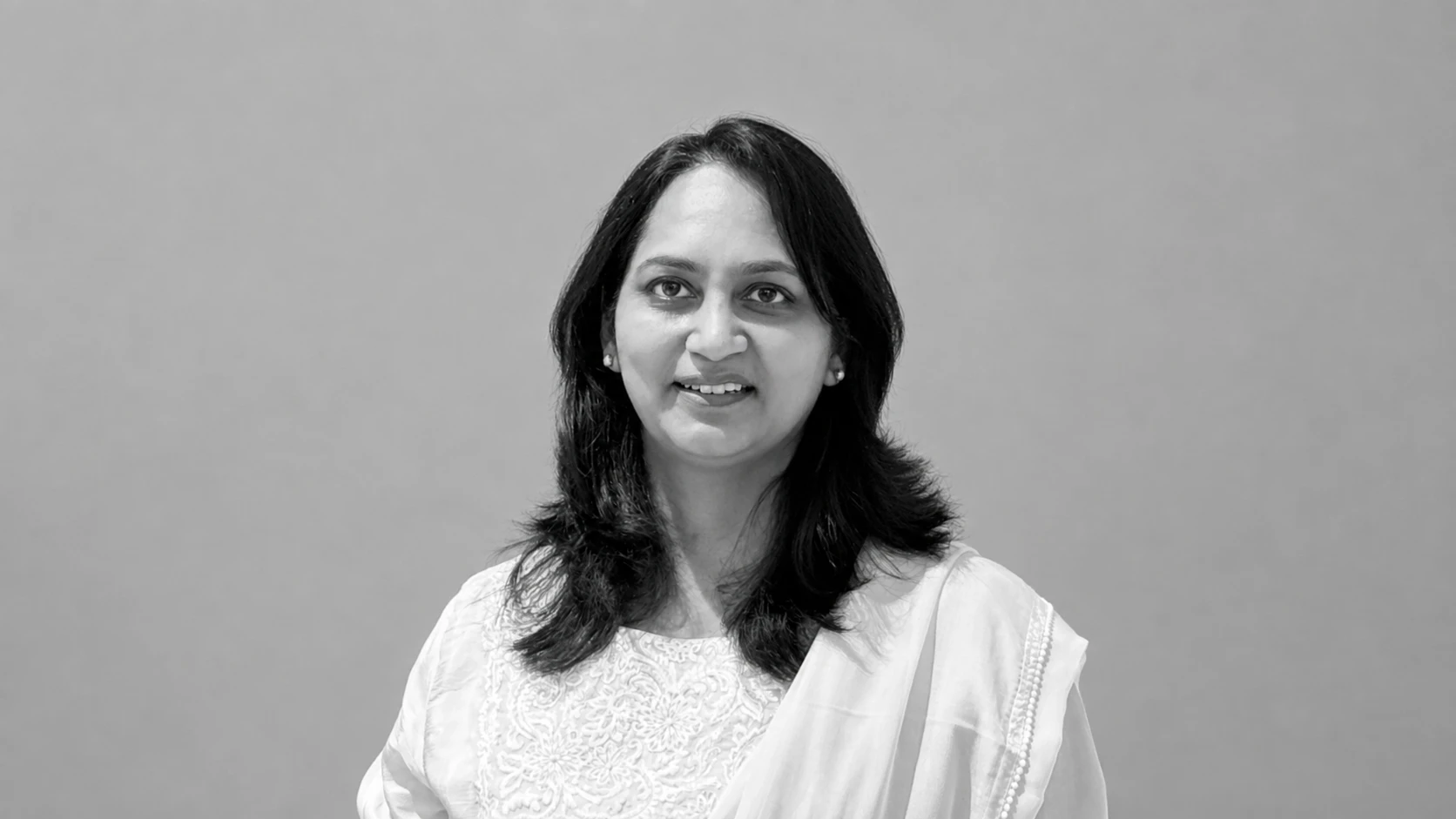
Dr. Anitha Bhat
Director | Senior Ayurveda Physician | Women’s Health Expert
Dr. Anitha is the Director and Senior Ayurveda Physician at Shathayu Ayurveda Retreat, with over 26 years of clinical experience in holistic Ayurvedic healthcare. She is dedicated to helping patients restore their health through personalized Ayurvedic treatments, authentic Panchakarma therapies, nutrition, and lifestyle medicine.
She has extensive expertise in treating women’s health concerns, PCOS, infertility support, menopause, obesity, diabetes, thyroid disorders, digestive disorders, skin diseases, stress-related illnesses, and lifestyle disorders. Her compassionate and patient-focused approach empowers individuals to achieve lasting wellness through sustainable changes in diet, daily routine, and preventive healthcare.
As one of the key clinical leaders at Shathayu, Dr. Anitha has played an instrumental role in developing patient-centric treatment protocols and comprehensive wellness programs that integrate classical Ayurveda with modern diagnostics and clinical research.
She strongly believes that Ayurveda is not only a system for treating illness but a way of living that helps people achieve lifelong health, vitality, and disease prevention.