AI Overview:
Ayurvedic treatment for urticaria at Shathayu Retreat focuses on calming hives and itching by balancing aggravated Pitta and Kapha doshas, supporting digestion, clearing accumulated toxins, and improving the body’s natural response to triggers.
Key Ayurvedic Approaches for Urticaria Management
1. Personalised Ayurvedic consultation: At Shathayu Retreat, treatment begins with understanding the individual’s Prakriti, symptom pattern, food triggers, digestion, stress levels, and recurrence history.
2. Dosha balancing and detox support: Urticaria, known as Sheetapitta in Ayurveda, is commonly linked to aggravated Pitta and Kapha along with Ama buildup. Treatment focuses on restoring internal balance rather than only calming the skin.
3. Ayurvedic herbs and remedies: Herbs such as Haridra, Neem, Guduchi, and Manjistha may be used under expert guidance to support blood purification, immunity, inflammation control, and skin health.
4. Topical soothing therapies: Aloe vera, cooling herbal applications, medicated oils, and gentle Ayurvedic therapies may help reduce itching, redness, heat, and skin irritation.
5. Panchakarma for chronic cases: For recurring or long-term urticaria, Shathayu Retreat may recommend therapies such as Virechana or other detoxification procedures to help cleanse the system and reduce repeated flare-ups.
6. Diet and lifestyle correction: A cooling, light, and Pitta-pacifying diet is recommended, while spicy, fried, fermented, heavily salted, and trigger-based foods are reduced.
7. Stress management: Yoga, pranayama, breathing practices, mindful routines, and better sleep habits may be included to help manage stress-related hive flare-ups naturally.
Meera had tried everything.
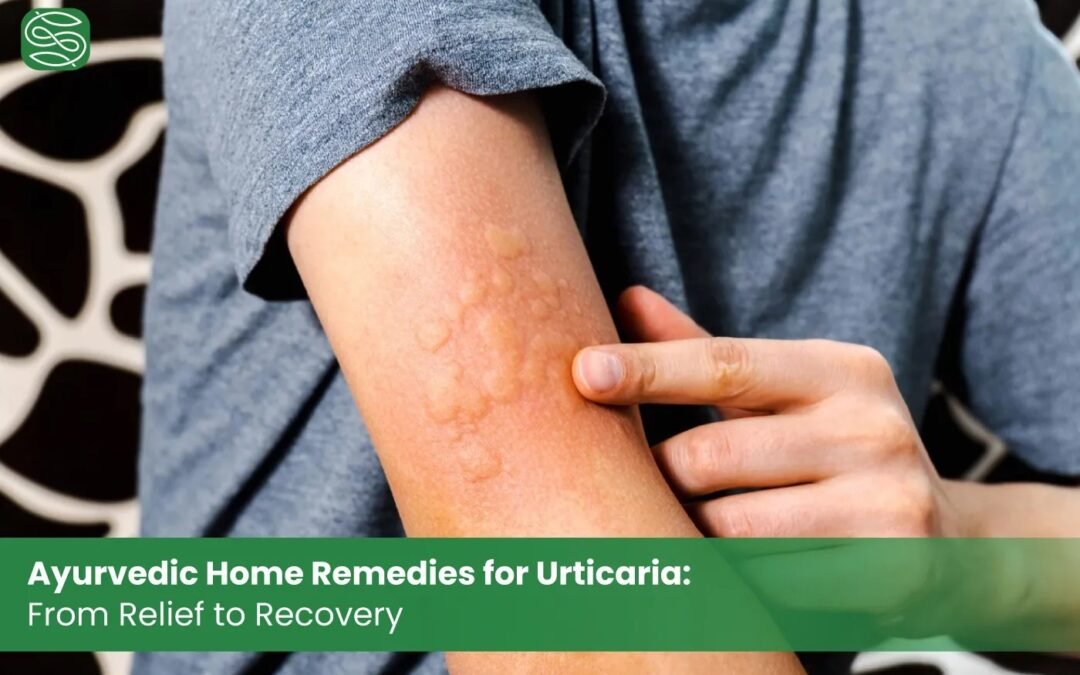
The hives had started two years ago, sudden, unpredictable, and relentless. A patch of raised, angry welts on her forearms. Then her neck. Then spreading to her back. She’d been through two dermatologists, three rounds of antihistamines, and more elimination diets than she could count. The hives would fade for a week or two, then return sometimes worse than before.
“I wasn’t living,” she said. “I was just managing.”
Chronic urticaria recurring hives affects more people than most realise. And for many, the conventional approach stops at symptom suppression. The itch is calmed. The hives recede. But the underlying trigger the hypersensitive immune response, the disrupted digestion, the systemic imbalance remains untouched.
Ayurveda approaches urticaria differently. Rather than treating the skin reaction in isolation, it looks at what is happening inside the body specifically, the aggravated Pitta and Kapha doshas and the accumulated Ama (metabolic toxins) that make the immune system chronically reactive.
Ayurvedic home remedies for urticaria are the first step in that process: accessible, gentle interventions that begin to calm the internal environment that keeps triggering hives. This guide walks through the most effective ones and when they need to be supported by a deeper treatment approach.
Understanding Urticaria Through the Lens of Ayurveda
Ayurveda sees Urticaria as more than merely an allergic skin reaction. It is primarily based on imbalanced Pitta and Kapha doshas that are exacerbated by the buildup of Ama (toxins resulting from incomplete digestion and metabolic waste). Such internal imbalances lead to inadequate defenses in the body, which creates hypersensitive skin elicitors.
While conventional medicine treats urticaria primarily as an allergic reaction, Ayurveda views it as a systemic condition one that affects the body from within, not just the skin. True relief, in this framework, comes from restoring internal balance, not just calming the surface.
Ayurvedic treatments typically aim to calm the irritated doshas, further detoxify the blood, support digestion, and alleviate hypersensitivity. With Ayurveda, you are trying to correct the root cause of urticaria and not merely the outwardly appearing rash.
Effective Ayurvedic Home Remedies for Urticaria
The most powerful natural remedies for itching, redness, and irritation usually contain ingredients that you probably already have. These tried-and-true solutions are excellent for providing natural relief:
1. Neem: Neem possesses potent blood-purifying and anti-inflammatory properties. Boiled in water and used for bathing, it cools and soothes irritated skin. Consumed as a mild infusion Consumed as a mild infusion, neem supports detoxification at a cellular level, promoting the purification of blood and the removal of accumulated toxins.
2. Turmeric Milk: Most families already use turmeric daily. This ancient remedy helps detoxify the blood and reduce swelling. A warm glass of turmeric milk every day helps boost immunity and enhance resistance to known triggers.
3. Coriander Water: Overnight soaking of coriander seeds and consuming the water the following day on an empty stomach helps relieve excess Pitta. It is also very good at providing relief from itching and redness.
4. Aloe Vera Gel: Applying aloe vera gel directly to the affected area soothes the itch and promotes healing.
5. Triphala: You can enhance digestion, promote the elimination of toxins without harming gut health, and heal from within by taking triphala tablets regularly.
All of these remedies are mild and effective, with no harmful side effects. They provide temporary relief but also support your body’s natural ability to heal.
Why Remedies Alone May Not Be Enough
Boiled in water and used for bathing, it cools and soothes irritated skin. Consumed as a mild infusion, Urticaria often indicates underlying issues with the digestive system, immunity, and toxicity. Remedies can subside symptoms and prevent frequent relapses, but if the inner imbalance is not taken care of, the condition could recur.
Real healing in Ayurveda occurs when the body’s internal systems are restored to a state of balance. This goes beyond surface treatments and herbal infusions; this is about dosha balancing, purifying the system of Ama, and fortifying the gut and immune system.
According to “Global Epidemiology of Urticaria: Increasing Burden among Children, Females and Low-income Regions,” published in Acta Dermato-Venereologica through Medical Journals Sweden, urticaria affected around 86 million people globally in 2017, with females and young children more commonly affected.
Healing Beyond Surface Relief: Addressing the Root Cause
Here’s the way Ayurvedic treatment makes recovery go one notch higher:
- Detoxification: Eliminating stored toxins from the blood and digestive system reduces hypersensitive responses that produce hives.
- Dosha Balancing: Tailored dietary modifications and therapies balance Pitta and Kapha, reducing the likelihood of future attacks.
- Improved Digestion: Enhancing Agni (digestive fire) restricts Ama formation, a leading cause of urticaria.
- Immune Support: Soothing and rebalancing the immune system helps reduce overreactions that can lead to skin breakouts.
Ayurvedic home remedies for urticaria are the first step in this process. Deeper detox and dosha-balancing therapies complete it.
According to “Chronic Spontaneous Urticaria: A Review,” published in JAMA – Journal of the American Medical Association, chronic spontaneous urticaria affects around 1% of the global population and can significantly affect quality of life.
Lifestyle Practices That Make a Difference
Ayurveda also places great importance on daily routines (Dinacharya) and seasonal practices (Ritucharya) as part of managing urticaria long term . To enhance the results of your remedies, consider these supportive habits:
1. Adopt a cooling diet: Avoid spicy, oily, and processed foods that aggravate Pitta. Choose cooling foods like cucumber, bottle gourd, and leafy greens.
2. Manage stress: Stress is a common trigger for urticaria. Practices such as yoga, meditation, and pranayama can help regulate immune and hormonal functions.
3. Support digestion: Eat meals at regular intervals, avoid overeating, and incorporate digestive spices like cumin and fennel into your meals.
4. Stay hydrated: Drinking enough water flushes out toxins and keeps your skin less reactive.
These simple habits amplify the benefits of Ayurvedic remedies and build the body’s resilience against future flare-ups.
When to Consult an Ayurvedic Specialist
If urticaria is recurrent, severe, or affecting your quality of life, professional consultation is strongly recommended. A qualified Ayurvedic practitioner at Shathayu will assess your Prakriti (constitution), dosha imbalances, and symptom severity to design a personalised treatment plan. Shathayu Retreat provides a comprehensive approach combining Panchakarma detox therapies, personalised herbal formulations, dosha-based treatment planning, and lifestyle guidance.
Conclusion
Ayurvedic home remedies for urticaria are an effective first step calming flare-ups, soothing the skin, and beginning to address the internal triggers that keep hives returning. But lasting relief requires a broader approach: rebalancing doshas, detoxifying the system, and strengthening gut and immune health. That is where Ayurveda’s real strength lies not in surface treatment, but in restoring the internal environment that determines how the body responds to the world around it.
At Shathayu Retreat, these principles come together through natural therapies, Panchakarma detoxification, dosha-balancing interventions, and personalised lifestyle guidance, helping you move from managing urticaria to genuinely healing from it.
Medical Disclaimer:
The information in this blog is for educational purposes only and is not a substitute for professional medical advice. If you are experiencing severe or chronic urticaria, we recommend consulting our qualified Ayurvedic doctors at Shathayu Retreat before making any changes to your treatment plan. Our Ayurvedic remedies are designed to provide holistic, root-cause healing tailored to your individual health needs.
FAQs:
1. How quickly do Ayurvedic home remedies for urticaria show results?
Most people notice a reduction in itching and redness within 5–7 days of consistent use. For chronic urticaria, meaningful improvement in the frequency of flare-ups typically takes 3–4 weeks of regular practice.
2. Can these remedies be used alongside antihistamines?
Yes. Ayurvedic home remedies work alongside conventional medications without interference. However, consult your doctor before making any changes to your antihistamine dosage.
3. Is urticaria the same as a regular skin allergy?
Not exactly. While both involve an immune response, urticaria specifically causes raised, itchy welts (hives) that appear and disappear unpredictably. Ayurveda treats it as a systemic condition, not just a skin reaction.
4. Which foods should be completely avoided during a urticaria flare-up?
Avoid spicy, fermented, and processed foods, alcohol, shellfish, and artificial food additives all of which aggravate Pitta dosha and are known urticaria triggers in Ayurvedic and conventional understanding.
5. Is Neem safe to consume internally for urticaria?
Yes, in small and supervised quantities. Neem infusions should be mild and consumed for limited periods. Consult an Ayurvedic doctor before long-term internal use, as high doses can be harsh on the digestive system
6. Can stress alone trigger urticaria?
Yes. Stress is one of the most common urticaria triggers. It disrupts immune regulation and aggravates Pitta and Vata doshas. Pranayama, yoga, and adequate sleep are recommended as part of any urticaria management plan.
7. When should someone with urticaria seek professional Ayurvedic treatment instead of home remedies?
If hives persist beyond 6 weeks, return frequently, or are accompanied by swelling of the lips or throat, professional treatment is necessary. Home remedies are best suited for mild to moderate cases.
8. Is Ayurvedic treatment for urticaria suitable for children?
Some remedies like diluted aloe vera and turmeric milk are generally safe for children. However, for any child with recurrent urticaria, consult a qualified Ayurvedic physician before starting any treatment.
9. Does Panchakarma help with chronic urticaria?
Yes. For chronic cases, Panchakarma detox therapies particularly Virechana (medicated purgation) and Rakta Moksha (blood purification) are highly effective in eliminating the deep-seated Ama and Pitta aggravation driving recurrent hives.
10. Can urticaria return after Ayurvedic treatment?
Recurrence is possible if dietary and lifestyle triggers are not maintained. Ayurveda's long-term advantage is that it rebuilds systemic resilience reducing both the frequency and severity of future flare-ups when the recommended habits are sustained.